
The tech world was abuzz in July 2025 when Astronomer’s leadership got caught in the “Coldplaygate” moment at a concert, sparking viral attention on social media. While the headlines may fade, the spotlight remains on Astronomer’s flagship product, Astro, a managed platform for Apache Airflow, the industry-standard tool for data orchestration. This open-source powerhouse is revolutionizing how businesses manage complex data workflows. In this blog, we dive into the versatile applications of Apache Airflow and how Astro enhances its capabilities for modern enterprises.
“Coldplaygate” Moment
The “Coldplaygate” incident refers to a public relations crisis that erupted on July 16, 2025, when Astronomer’s Chief Executive Officer (CEO) Andy Byron and Chief People Officer Kristin Cabot were captured on the “Kiss Cam” at a Coldplay concert in Boston, engaging in intimate behavior that sparked rumors of an extramarital affair. The incident rapidly spread across social media, particularly on TikTok and X platforms, with the video garnering millions of views and triggering widespread discussion. The controversy was amplified by Coldplay’s lead singer Chris Martin’s impromptu comment during the event: “They’re either having an affair or they’re very shy,” which further drew attention to the issue. This led to scrutiny of Astronomer’s leadership ethics. On social media, netizens criticized Byron and Cabot’s actions, particularly given that Byron is married with two children, intensifying negative perceptions of the company’s workplace culture. Some users even questioned Astronomer’s professionalism, suggesting that its workplace culture might be “toxic.”
What is Apache Airflow?
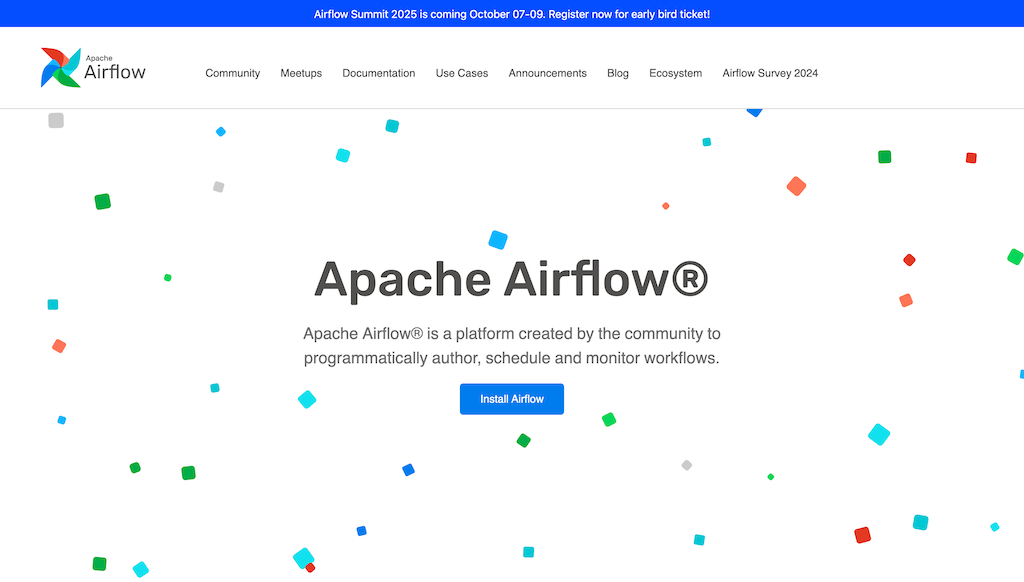
Apache Airflow is an open-source platform designed to programmatically author, schedule, and monitor workflows through Directed Acyclic Graphs (DAGs). Written in Python, it allows data engineers to define complex data pipelines as code, offering unmatched flexibility and scalability. Since its creation by Airbnb in 2014 and its integration into the Apache Software Foundation in 2016, Airflow has become the go-to solution for automating data pipelines, ETL/ELT processes, and more.
Key Features of Apache Airflow
- Code-Driven Workflows: Define tasks and dependencies using Python, enabling dynamic pipeline creation.
- Robust Scheduling: Execute tasks based on time schedules or external triggers with precision.
- Extensibility: Integrate with major cloud platforms (AWS, GCP, Azure) and tools like Snowflake, Databricks, and dbt.
- Web Interface: Monitor and manage workflows through an intuitive UI, complete with logs and status updates.
- Scalability: Supports distributed architectures via Celery or Kubernetes executors for high-volume workloads.
Top Applications of Apache Airflow
Apache Airflow’s versatility makes it a cornerstone for various industries. Here are its primary applications:
1. ETL/ELT Data Pipelines
Airflow automates the extraction, transformation, and loading (ETL) or extraction, loading, and transformation (ELT) of data across databases, data lakes, and cloud storage. It ensures data consistency and reliability for analytics and reporting. Retail company uses Airflow to extract sales data from multiple sources, transform it in Snowflake, and load it into a BI tool like Tableau daily.
2. Machine Learning Workflows (MLOps)
Airflow orchestrates machine learning pipelines, from data preprocessing to model training and deployment, ensuring seamless MLOps workflows. A financial firm schedules model retraining tasks on Airflow, integrating with ML platforms like TensorFlow or PyTorch.
3. DevOps and Infrastructure Automation
Airflow automates infrastructure tasks like backups, server maintenance, or cloud resource provisioning, streamlining DevOps processes. A tech company uses Airflow to schedule nightly database backups and monitor cloud resource usage on AWS.
4. Business Process Automation
Airflow automates repetitive business processes, such as generating daily reports or processing financial transactions, improving operational efficiency. A marketing team uses Airflow to automate campaign performance data aggregation for real-time analytics.
5. Real-Time Data Processing
While primarily for batch processing, Airflow can trigger real-time tasks when combined with tools like Apache Kafka. A streaming service uses Airflow to process real-time user data for personalized recommendations.
Astronomer’s Astro: Supercharging Apache Airflow
Astronomer’s Astro platform, built on Apache Airflow, offers a fully managed, cloud-native solution that simplifies Airflow deployment and enhances its capabilities. Astro addresses common pain points like infrastructure management and scalability, making it ideal for enterprises.
Why Choose Astro?
- Fully Managed: Eliminates the need to manage servers, upgrades, or backups, reducing operational overhead.
- Auto-Scaling: Dynamically adjusts resources based on workload, optimizing costs.
- Enterprise-Grade Features: Includes data lineage, anomaly detection, and 1500+ pre-built integrations with tools like dbt and Snowflake.
- High Availability: Claims 70% higher uptime compared to self-hosted Airflow.
- Enhanced Observability: Provides advanced monitoring and dependency visualization for faster debugging.
Real-World Impact of Astro
- Bloomberg: Reduced pipeline runtime by 51% using Astro’s optimized DAGs.
- Stripe: Leverages Astro for secure, scalable payment data processing.
- FanDuel: Uses Astro to automate real-time betting data pipelines, ensuring low latency.
Benefits of Using Airflow and Astro
- Flexibility: Python-based DAGs allow for highly customizable workflows.
- Community Support: Airflow’s open-source community, with over 2700 contributors, ensures continuous innovation.
- Cost Efficiency: Astro’s auto-scaling reduces cloud costs compared to traditional setups.
- Cross-Cloud Compatibility: Supports AWS, GCP, Azure, and hybrid environments.
- Time Savings: Astro’s managed service cuts setup time, letting teams focus on building pipelines.
Challenges and Considerations
- Learning Curve: Airflow requires Python knowledge, which may challenge non-coders.
- No Native Streaming: Best suited for batch processing; real-time needs additional tools.
- Management Overhead: Self-hosted Airflow requires DevOps expertise, mitigated by Astro’s managed service.
- Cost: Astro’s pricing (available at https://www.astronomer.io/) may be a factor for smaller teams, though it saves on infrastructure costs.
Getting Started with Apache Airflow and Astro
- Explore Airflow: Download Airflow from its official site (https://airflow.apache.org/) or try Astro’s free trial.
- Join the Community: Engage with Airflow’s Slack or GitHub for tips and updates
- Try Astro: Sign up for a demo at https://www.astronomer.io/ to experience managed Airflow.
- Learn Best Practices: Use Astronomer’s Academy for training on Airflow and Astro.
Conclusion
The “Coldplaygate” incident may have put Astronomer in the headlines, but its Astro platform continues to shine as a leading solution for Apache Airflow users. Whether you’re automating ETL pipelines, machine learning workflows, or business processes, Airflow and Astro offer unparalleled flexibility and power. With Astro’s managed service, enterprises can scale data pipelines effortlessly, ensuring reliability and efficiency in today’s data-driven world.
Ready to streamline your data workflows? Explore Astro’s capabilities at https://www.astronomer.io/ or dive into the Airflow community today!
